
Power That Runs When the Grid Stops
Backup Generator Installation throughout Madison to Blue Hill, and surrounding areas for properties needing reliable power during outages and storm-related grid failures
Extended power outages during winter storms or summer weather events leave properties without heat, refrigeration, or well pumps until utility crews restore service. Tesla Electric Company LLC installs backup generators for residential and commercial properties in Madison, Blue Hill, and surrounding areas, integrating standby power systems with existing electrical infrastructure so essential circuits remain energized when the utility feed drops. The generator monitors the incoming power and starts automatically within seconds of detecting an outage, transferring loads without requiring manual intervention.
Backup generator installation involves sizing the generator to match the property's critical loads, installing an automatic transfer switch that isolates the generator from the utility grid, running fuel lines from the propane or natural gas supply, and programming the control system to prioritize which circuits receive power. The transfer switch prevents backfeeding into utility lines, which protects line workers and ensures safe operation during restoration work.
Arrange an on-site consultation to review which circuits require backup power and what generator capacity your property needs.
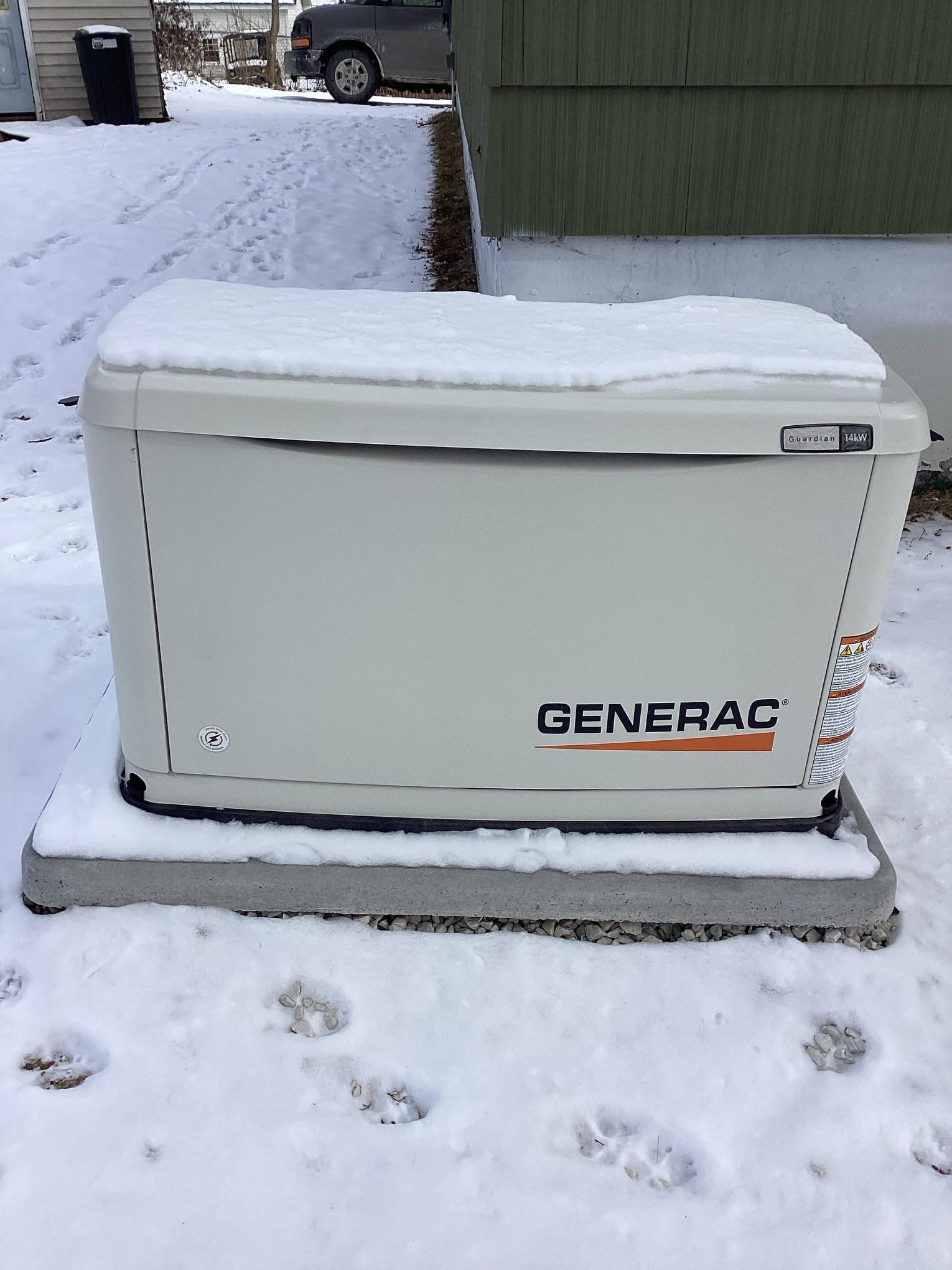
How Generator Systems Address Outage Risks
Generator sizing depends on calculating the starting and running wattage of equipment that must remain operational during an outage, including well pumps, sump pumps, heating systems, refrigeration, and lighting. Tesla Electric Company LLC evaluates the existing electrical panel to determine which circuits will transfer to generator power and whether the panel requires modifications to accommodate the automatic transfer switch.
Once the system is installed and tested, you'll notice that lights and essential equipment stay on during utility outages without requiring you to start the generator manually or switch circuits over. The generator runs periodic self-tests to confirm it's ready when needed, and the transfer switch shifts loads back to utility power automatically once grid service is restored.
Financing options are available for generator installations, particularly for whole-house systems that require larger generator units and more extensive transfer switch configurations. The installation timeline includes coordinating fuel line connections with propane suppliers or gas utilities, obtaining permits, and scheduling utility notification where required by local regulations.
Common Questions About This Service
Generator installations involve decisions about sizing, fuel type, and which circuits to back up, and property owners in Madison, Blue Hill and surrounding areas often ask about how the system operates and what's involved in the installation process.
What size generator does a residential property typically need?
Whole-house systems for average homes usually require 18-22 kilowatts to handle heating, well pumps, kitchen appliances, and lighting simultaneously. Properties with electric heat or large well pumps may need larger units, while partial-backup systems that cover only essential circuits can operate with smaller generators in the 10-14 kilowatt range.
How does the automatic transfer switch know when to activate the generator?
The transfer switch continuously monitors voltage from the utility feed and triggers the generator when it detects a drop below operating thresholds for more than a few seconds. Once the generator reaches operating speed and voltage stabilizes, the switch transfers selected circuits from utility power to generator power without manual input.
Why do some properties use propane while others connect to natural gas?
Fuel choice depends on what's available at the property and the generator's expected runtime during outages. Propane requires tank refills but works anywhere, while natural gas provides unlimited runtime if the property already has service, though supply can be interrupted during certain types of emergencies.
When should a property owner schedule generator installation?
Installation before winter storm season ensures the system is operational when outages are most likely. The process includes equipment delivery, electrical work, fuel line installation, permitting, and commissioning, which can take several weeks depending on equipment availability and scheduling.
What maintenance does a backup generator require after installation?
Generators run self-tests weekly to keep the engine and components ready, and annual service includes oil changes, filter replacements, and inspection of electrical connections. The system logs runtime and alerts when service intervals approach, and most manufacturers recommend professional maintenance to preserve warranty coverage.
Tesla Electric Company LLC installs backup power systems for properties throughout Madison, Blue Hill, and surrounding areas, working with both existing electrical panels and properties that require panel upgrades to support generator integration. Contact us to schedule a load assessment and review fuel options, generator sizing, and installation requirements for your property.