
Fixtures That Work With Your Electrical System
Lighting Installation throughout Madison to Blue Hill, and surrounding areas for properties needing new fixtures, upgraded lighting, or solutions that address specific visibility requirements
Lighting installation affects both how a space looks and how the electrical system handles the load. Modern lighting solutions range from LED retrofits that reduce energy consumption to specialty fixtures requiring dedicated controls or dimming circuits. Tesla Electric Company LLC handles residential and commercial lighting services in Madison, Blue Hill, and surrounding areas, including lighting installation, replacement, upgrades, and related electrical work. The company works with both existing electrical infrastructure and newer technology, designing installations based on the needs of the property rather than applying generic solutions.
The installation process starts with evaluating your current wiring to determine whether existing circuits can support additional fixtures or whether new circuits are needed. Older properties often have lighting circuits that share neutral conductors, which limits compatibility with some modern dimmers and controls. Installing new fixtures involves mounting electrical boxes securely, making wire connections that meet code requirements, and confirming that switches control the correct fixtures. For commercial installations, the work may include emergency lighting, occupancy sensors, or photocell controls that integrate with the building's electrical system.
Schedule a consultation to review your lighting needs and receive recommendations based on your property's electrical capacity.
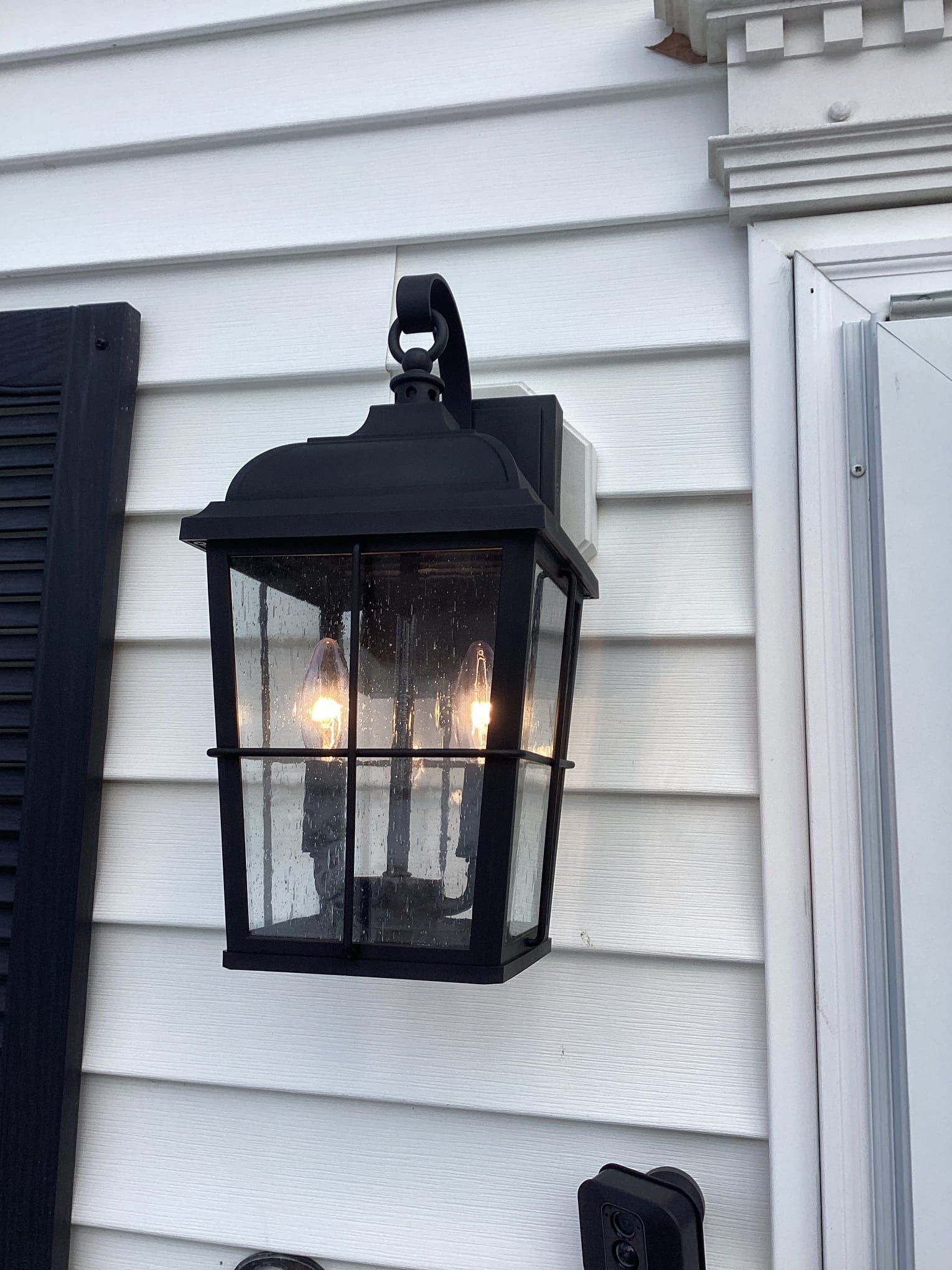
What Lighting Installation Actually Accomplishes
Professional lighting installation means selecting fixtures appropriate for the location and use, securing mounting hardware to structural members rather than relying on drywall alone, and wiring circuits so that fixtures operate without flicker or hum. The installation also involves coordinating fixture placement with switch locations, ensuring that dimmer controls are compatible with the bulb type, and confirming that outdoor fixtures have weatherproof enclosures and GFCI protection where required.
Once installation is complete, lighting turns on reliably, delivers consistent brightness across all fixtures on the circuit, and operates smoothly with dimmers if installed. You'll notice that fixtures remain secure without sagging, switches respond correctly without delay, and bulbs last their expected lifespan without premature failure caused by voltage issues or poor connections. The installation should also make future bulb changes straightforward and provide access for maintenance without requiring special tools.
Lighting upgrades often involve replacing outdated fixtures with LED equivalents that reduce energy use and heat generation. This sometimes requires replacing older dimmer switches with models designed for LED loads, since traditional dimmers can cause flickering or buzzing with incompatible bulbs. Upgrades also present an opportunity to add fixtures in areas with insufficient lighting or to reconfigure circuits for better control over individual zones.
Questions Before Starting Your Project
Lighting installations vary depending on the type of fixtures involved and how they integrate with your property's electrical system.
What should I consider when selecting new lighting fixtures?
Consider the fixture's mounting requirements, whether existing electrical boxes can support the weight, and whether the current circuit wiring is compatible with dimmers or controls. Also evaluate lumens output and color temperature to confirm the fixture will provide adequate light for the space.
How does older electrical wiring affect lighting installation?
Older wiring may lack ground conductors or use shared neutrals that complicate dimmer installation. These conditions need to be identified during planning so that the installation can proceed safely and meet current electrical code.
What's involved in upgrading to LED lighting?
Upgrading involves replacing fixtures or retrofitting existing ones with LED-compatible components, confirming that dimmers are rated for LED loads, and sometimes reducing circuit breaker sizes since LEDs draw significantly less current than incandescent bulbs.
When should I add new lighting circuits instead of using existing ones?
New circuits are needed when existing circuits are fully loaded, when adding fixtures in areas without current wiring, or when you need separate control over different lighting zones. Adding circuits provides flexibility and prevents overloading.
How do lighting installations differ for commercial properties in Maine?
Commercial installations often require emergency lighting with battery backup, exit signs, occupancy sensors, and fixtures that meet energy code requirements. The work also involves coordinating with building inspectors and ensuring that lighting levels meet occupancy standards.
Tesla Electric Company LLC provides lighting installation with attention to both the electrical work and how the fixtures integrate with your property. Contact the team to discuss your lighting project and arrange an installation estimate based on your specific requirements.