
Electrical Systems That Support Modern Technology
Smart Home Installations from Madison to Blue Hill, and surrounding areas for properties integrating connected devices and automated electrical controls
Modern smart home devices require reliable wiring, sufficient electrical capacity, and proper integration with the property's existing electrical infrastructure to function correctly. Tesla Electric Company LLC installs electrical systems that support smart thermostats, lighting controls, security cameras, and automated switches for residential and commercial properties in Madison, Blue Hill and surrounding areas. The work includes running dedicated circuits where needed, installing compatible wiring for low-voltage controls, and ensuring that devices receive stable power without interference from other electrical loads.
Smart home installations involve evaluating the electrical panel to confirm it can handle additional circuits, installing wiring that meets manufacturer specifications for smart devices, positioning outlets and junction boxes where control units and hubs will be mounted, and verifying that network infrastructure reaches all locations where smart devices will operate. Properties with older wiring may need circuit upgrades to provide clean power for sensitive electronics.
Arrange a consultation to review which smart home features you want to install and what electrical work is required to support them.
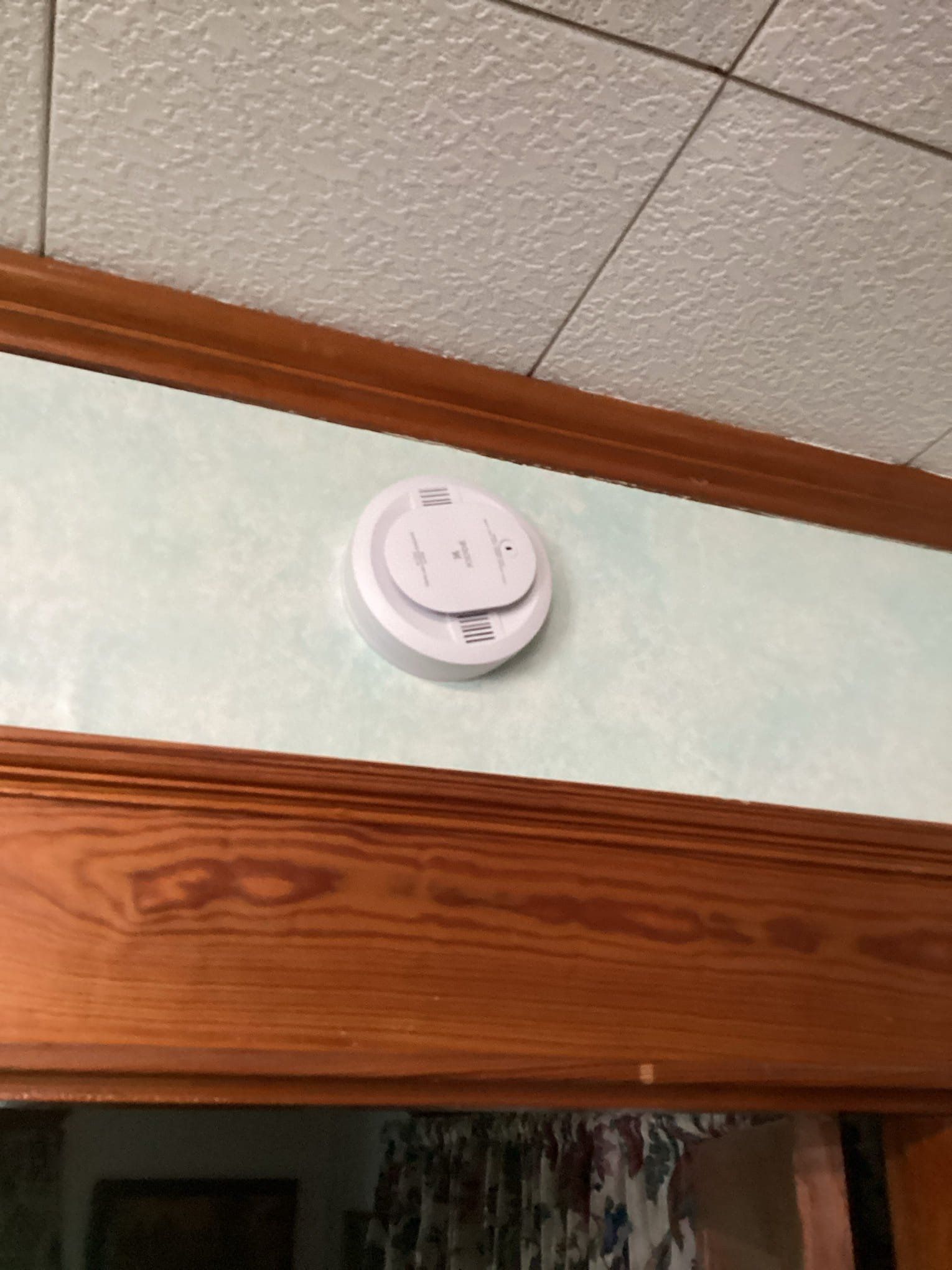
What Smart Home Electrical Integration Accomplishes
The electrical side of smart home systems depends on providing power where devices are installed, ensuring circuits can handle the added load, and running control wiring where switches and sensors connect to hubs or panels. Tesla Electric Company LLC works with both newer properties that already have adequate electrical infrastructure and older homes in Madison, Blue Hill and throughout Maine where electrical systems need updates before smart devices can be installed reliably.
After the electrical work is completed, smart devices operate without power interruptions, switches and controls function reliably, and you can add or reconfigure devices without discovering that the electrical system can't support them. The wiring itself will include proper grounding, separation between line-voltage and low-voltage runs where code requires it, and junction boxes positioned to allow future changes without rewiring.
The installation scope varies depending on whether you're adding individual smart devices to existing circuits or implementing whole-house automation that requires dedicated electrical infrastructure, control panels, and integration with lighting, climate, and security systems. Properties with insufficient electrical capacity may need panel upgrades before adding smart home circuits.
What Property Owners Usually Ask
Smart home installations raise questions about electrical requirements, compatibility with existing wiring, and what infrastructure is necessary for different types of connected devices.
What electrical work do smart thermostats and lighting controls typically require?
Smart thermostats need a common wire at the HVAC system for continuous power, which older thermostats didn't use, and may require running new thermostat cable if the existing wiring lacks that conductor. Smart switches need neutral wires at switch boxes, which many older homes lack, and may require rewiring switch legs to provide the neutral connection these devices need to function.
How does electrical infrastructure for smart homes differ from standard residential wiring?
Smart home systems often require dedicated circuits for control hubs and network equipment to prevent power interruptions from affecting the entire system. Low-voltage wiring for sensors, keypads, and communication between devices must be run separately from line-voltage circuits to prevent interference and meet code requirements for separation.
Why do some older properties need electrical upgrades before smart devices can be installed?
Older wiring may lack grounding, neutral conductors at switch locations, or sufficient circuits to handle the additional load from smart devices and their control systems. Properties in Blue Hill with knob-and-tube wiring or outdated panels often need electrical updates before modern smart home technology can be integrated safely and reliably.
When should electrical work for smart home systems happen during a renovation?
Running control wiring and adding circuits is easiest when walls are open, allowing cable to be installed without cutting access holes or fishing wire through finished spaces. Coordinating smart home electrical work with other renovation phases prevents having to open walls twice and ensures that outlet and switch locations match where devices and controls will actually be positioned.
What happens if electrical capacity is insufficient for planned smart home devices?
The panel may need upgrading to provide additional circuit spaces and higher amperage capacity, particularly if the smart home system includes motorized shades, integrated lighting throughout the property, or multiple high-draw devices. Load calculations determine whether existing electrical service can support the planned devices or whether service upgrades are necessary before installation.
Tesla Electric Company LLC handles smart home electrical installations for properties throughout Madison, Blue Hill, and surrounding areas, working with both modern electrical systems and older infrastructure that requires updates to support connected devices. Schedule an assessment to review what electrical infrastructure your planned smart home system requires and whether your current electrical service can accommodate it without upgrades.