
Wiring Systems Updated for Current Electrical Use
Knob and Tube Removal throughout Madison to Blue Hill and surrounding areas for properties with outdated wiring that limits electrical capacity and modernization
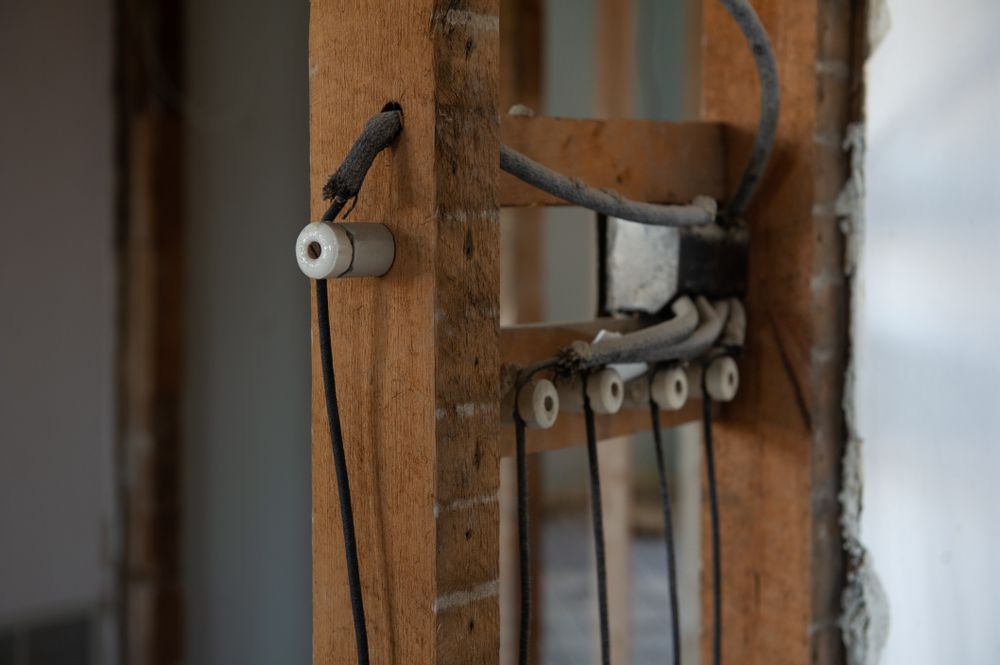
Knob-and-tube wiring installed in the early twentieth century lacks grounding conductors, uses cloth insulation that deteriorates over time, and wasn't designed to handle the electrical loads common in modern homes. Properties with this wiring can't safely support updated electrical systems, and Tesla Electric Company LLC removes knob-and-tube installations and replaces them with grounded wiring that meets current electrical code. You'll notice that outlets accept three-prong plugs, circuits can handle modern appliances without overheating, and the electrical system supports equipment that older wiring couldn't accommodate safely.
Knob-and-tube removal involves identifying all circuits still using the old wiring, running new grounded cable through walls and attic spaces to replace those circuits, connecting the new wiring to the panel with proper overcurrent protection, and verifying that all connections are secure and insulated. The process often requires accessing wall cavities and coordinating with insulation work, since knob-and-tube wiring must remain exposed and can't be buried under insulation without creating fire risks.
Schedule a property evaluation to identify which circuits still use knob-and-tube wiring and what's involved in replacing them with modern electrical infrastructure.
What Changes After Wiring Replacement Completes
Replacing knob-and-tube wiring begins with mapping which circuits still use the old system and determining the most practical routes for running new cable with minimal invasive work. Tesla Electric Company LLC works with older properties throughout Madison and surrounding areas and understands how to access wiring runs in homes with plaster walls, limited attic space, and irregular framing that complicates cable routing.
After the old wiring is removed and new circuits are installed, outlets and switches function with grounded connections that protect sensitive electronics, and the circuits can handle higher loads without overheating conductors or causing breakers to trip. The electrical system will support additions like dedicated appliance circuits, upgraded lighting, and modern electrical devices that require grounding for safe operation.
Financing options are available for knob-and-tube removal projects, particularly when the work involves rewiring multiple rooms or entire floors. The scope depends on how much of the original wiring remains in use, whether the panel also requires upgrading, and what level of access exists for running new circuits without extensive demolition and patching work.
Answers to Frequent Service Questions
Knob-and-tube removal involves decisions about which circuits to prioritize, how to route new wiring, and what additional electrical work makes sense during the project, and property owners often ask about the process and what the work includes.
How do you determine which circuits still use knob-and-tube wiring?
The evaluation involves inspecting visible wiring in basements, attics, and behind panel covers to trace which circuits connect to knob-and-tube runs. Some properties have partial updates where only certain rooms or floors still use the old wiring, while others retain knob-and-tube throughout the entire electrical system.
What makes knob-and-tube wiring incompatible with modern electrical use?
The system lacks a grounding conductor, uses insulation that becomes brittle and cracks with age, and relies on air circulation for heat dissipation, which fails when insulation is added during energy efficiency upgrades. The wire itself is often undersized for current electrical loads, and connections at junction points deteriorate after decades of thermal cycling.
Why does knob-and-tube removal sometimes require work beyond just replacing the wiring?
Properties with knob-and-tube wiring often have panels that also need upgrading, insufficient circuits for modern use, and outdated outlet and switch configurations that should be addressed while walls are open. Coordinating electrical updates with insulation work prevents having to access wall cavities multiple times.
When does it make sense to remove all knob-and-tube wiring versus addressing only certain circuits?
Full removal makes sense when financing larger projects or during renovations that provide wall access, while partial removal prioritizes circuits serving areas with the highest electrical demand or where insurance coverage requires updates. Properties in Blue Hill with knob-and-tube wiring may face insurance limitations or higher premiums until the wiring is replaced.
What access does the work require, and how much patching is typically necessary?
Access depends on how the property is framed and finished, but work often involves fishing cable through walls from attic or basement spaces, cutting small access holes where necessary, and coordinating with drywall or plaster repair. Homes with unfinished basements or accessible attic spaces require less invasive work than properties where all wiring runs are concealed within finished walls.
Tesla Electric Company LLC handles knob-and-tube removal for older properties throughout Madison to Blue Hill and surrounding areas, working with both homes that need full electrical system updates and properties where partial replacement addresses the most critical circuits. Request a wiring assessment to map which circuits still use outdated wiring and what approach makes sense for transitioning your property to modern electrical infrastructure.